


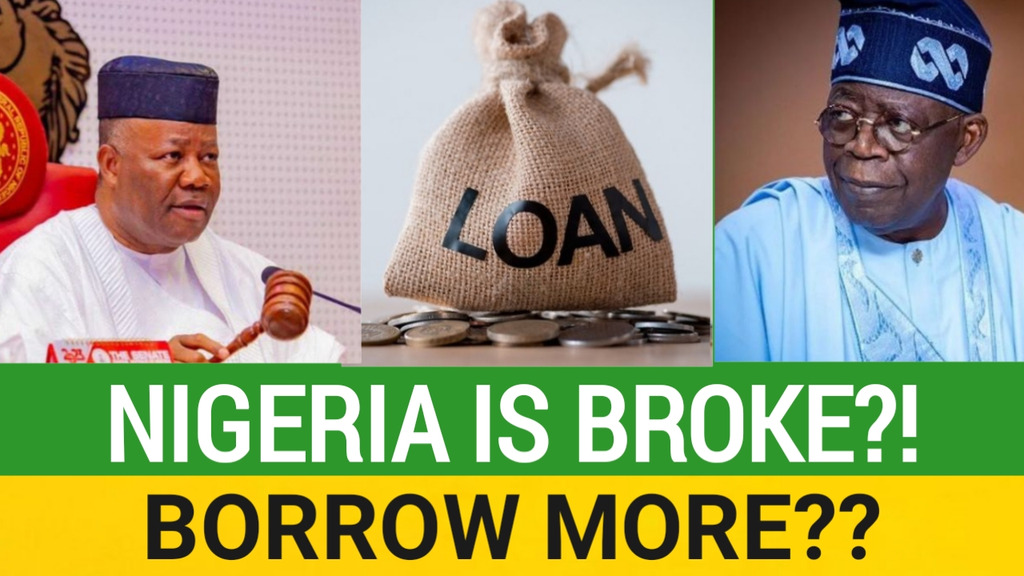
Nigeria’s Senate President, Godswill Akpabio, has stirred fresh debate over the country’s economic direction after suggesting that continued borrowing may be necessary due to limited government revenue.
Speaking on the nation’s fiscal challenges, Akpabio indicated that Nigeria currently lacks sufficient funds to meet its growing obligations, adding that borrowing remains a viable option to sustain government operations and development efforts.
The remarks have triggered mixed reactions from economists and citizens. While some argue that borrowing is a common global practice—often used to finance infrastructure and stimulate growth—others warn that Nigeria’s rising debt profile could become unsustainable if not matched with increased productivity and transparent spending.
Institutions such as the World Bank and the International Monetary Fund have previously emphasized the need for fiscal discipline, improved revenue generation, and structural reforms to ensure long-term economic stability.
As inflation and cost-of-living pressures continue to affect millions of Nigerians, Akpabio’s comments have intensified calls for greater accountability and a clearer strategy on how borrowed funds are utilized. The development adds to ongoing national conversations about economic management and the sustainability of Nigeria’s debt trajectory.
